
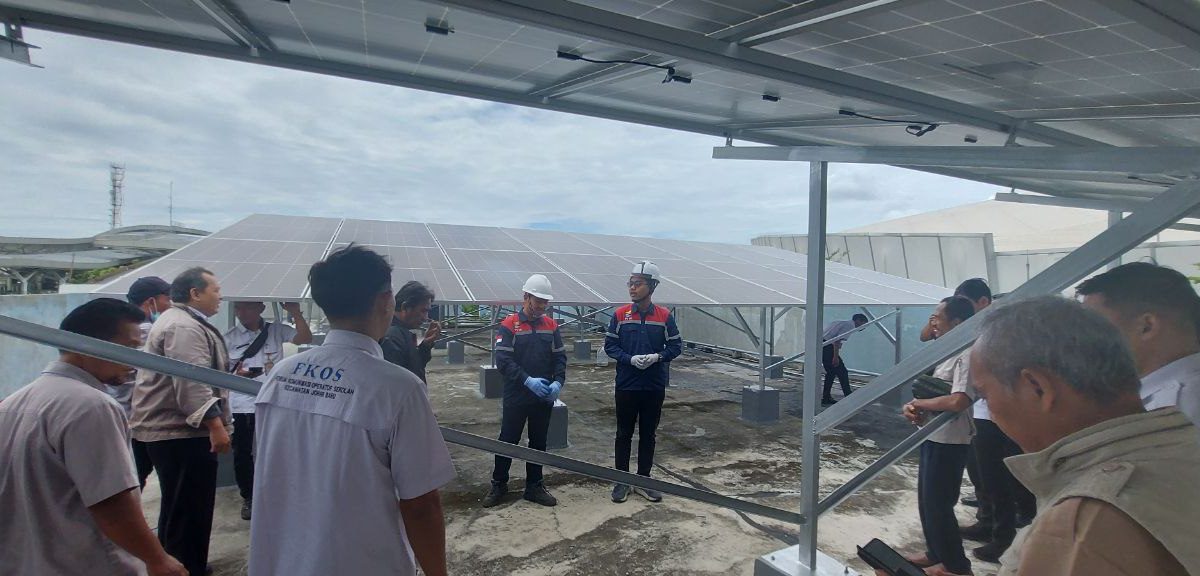
Project DKI – 30 kWp On-Grid Solar Power System Across 22 Locations
Supporting Jakarta’s transition toward cleaner and more sustainable energy, Project DKI implemented a 30 kWp On-Grid Solar Power System distributed across 22 locations throughout DKI Jakarta. Completed in 2025, the project demonstrates how multi-site solar photovoltaic installations can help public facilities and organizations improve energy efficiency, reduce electricity costs, and contribute to Indonesia’s renewable energy targets.
As cities continue to face increasing energy demands, renewable energy solutions have become an important component of modern infrastructure planning. Rooftop solar photovoltaic systems provide a practical and cost-effective method for generating clean electricity directly at the point of consumption, helping reduce electricity expenses and greenhouse gas emissions.
The implementation of a 30 kWp on-grid solar power system across twenty-two sites demonstrates the flexibility and scalability of solar technology. Rather than concentrating all capacity at a single facility, distributed solar installations allow multiple locations to benefit from renewable energy generation while maximizing available rooftop space.
Because the systems are connected to the utility grid, each location can utilize solar energy during daylight hours while maintaining reliable access to electricity whenever additional power is required. This approach combines the environmental advantages of renewable energy with the reliability of conventional grid infrastructure.
The project also supports broader sustainability objectives by reducing carbon emissions associated with electricity consumption. As Indonesia continues expanding renewable energy adoption, projects such as Project DKI showcase how solar photovoltaic technology can be successfully deployed across multiple facilities within urban environments.
Beyond environmental benefits, distributed rooftop solar systems provide long-term financial value through reduced electricity bills, predictable energy costs, and improved operational efficiency. These advantages make solar power an increasingly attractive investment for government facilities, public institutions, commercial buildings, and community infrastructure projects.
Renewable Energy Generation
Generates clean electricity directly from sunlight while reducing dependence on conventional power sources.
On-Grid Connectivity
Maintains reliable access to utility electricity while maximizing solar energy utilization throughout the day.
Multi-Site Deployment
Distributed across 22 locations to maximize rooftop utilization and expand renewable energy adoption.
Sustainability Impact
Helps lower carbon emissions, improve energy efficiency, and support sustainable urban development.
Expanding Solar Energy Adoption Across DKI Jakarta
The Project DKI solar initiative demonstrates how distributed rooftop solar systems can support renewable energy adoption on a broader scale. Instead of focusing on a single large installation, the project utilizes multiple facilities to create a network of clean energy generation points throughout DKI Jakarta.
This distributed approach offers several advantages, including improved energy resilience, efficient utilization of available rooftop space, and the ability to extend sustainability benefits across numerous facilities simultaneously. By leveraging solar photovoltaic technology, each location contributes to a collective effort toward reducing environmental impact and supporting Indonesia’s clean energy transition.
Project Overview
- Project Name: Project DKI Multi-Site Solar PV Installation
- Location: 22 Locations Across DKI Jakarta, Indonesia
- Completion Year: 2025
- Total Installed Capacity: 30 kWp
- System Type: On-Grid Solar Photovoltaic (PV)
- Application: Public Facilities / Government Buildings / Urban Infrastructure
- Technology: Rooftop Solar Panels + Grid-Tied Inverter + Electrical Protection System + Monitoring System
- Main Benefits: Renewable Energy Generation, Reduced Electricity Costs, Lower Carbon Emissions, Improved Energy Efficiency, Long-Term Operational Savings
Reliable On-Grid Solar Power for Urban Facilities
The Project DKI solar initiative demonstrates how distributed on-grid photovoltaic systems can provide reliable and sustainable electricity for multiple facilities within a metropolitan area. By utilizing rooftop space across twenty-two locations, the project maximizes renewable energy production without requiring additional land while maintaining seamless integration with the existing utility grid.
Each solar photovoltaic system is designed to generate electricity during daylight hours, allowing buildings to consume clean energy directly from the rooftop installation. Whenever solar production exceeds or falls below demand, the utility grid automatically balances the electrical supply, ensuring uninterrupted operation and reliable power availability throughout the day.
This approach allows organizations to reduce dependence on conventional electricity while maintaining operational reliability. The distributed design also improves overall energy resilience because renewable generation is spread across numerous facilities rather than relying on a single centralized installation.
Technical Benefits of the On-Grid Solar PV System
Modern on-grid solar photovoltaic systems combine high-efficiency solar modules, grid-tied inverters, electrical protection devices, and intelligent monitoring technology to deliver consistent performance. These components work together to optimize energy generation, maximize system efficiency, and ensure compliance with applicable electrical standards.
The Project DKI installation benefits from continuous solar energy production during daylight hours, helping reduce peak electricity consumption from the utility grid. This translates into lower operating costs while supporting long-term sustainability initiatives. In addition, rooftop solar systems require relatively low maintenance, making them a practical investment for public infrastructure and institutional facilities.
Advanced monitoring capabilities also enable facility managers to track system performance, monitor electricity production, identify operational anomalies, and support preventive maintenance activities. Real-time monitoring helps ensure that every installation continues operating efficiently throughout its service life.
Advantages of a Multi-Site Solar Deployment
Deploying rooftop solar systems across multiple locations offers greater flexibility than a single centralized installation. Every participating facility contributes to renewable energy generation while benefiting from lower electricity consumption and improved operational efficiency. This distributed model also enables organizations to expand their renewable energy portfolio progressively as future facilities become available.
For urban environments such as DKI Jakarta, multi-site solar projects help maximize the use of existing building infrastructure without increasing land requirements. Rooftop installations transform underutilized building surfaces into productive renewable energy assets that contribute to long-term environmental goals.
Because each site operates independently while remaining connected to the electrical grid, maintenance activities and future system expansions can be managed efficiently with minimal operational disruption. This scalability makes distributed rooftop solar an ideal solution for municipalities, educational institutions, healthcare facilities, commercial buildings, and other organizations with multiple locations.
Supporting Indonesia’s Renewable Energy Transition
Project DKI reflects Indonesia’s growing commitment to renewable energy development and sustainable urban infrastructure. By integrating clean electricity generation into public facilities across twenty-two locations, the project demonstrates how solar photovoltaic technology can play an essential role in reducing greenhouse gas emissions while supporting long-term energy security.
Beyond environmental benefits, projects like this help promote greater public awareness of renewable energy technologies and encourage wider adoption across both public and private sectors. Distributed solar installations represent an effective strategy for creating more resilient cities while contributing to national energy transition goals.
As demand for clean electricity continues to grow, rooftop solar systems are expected to become an increasingly important component of Indonesia’s sustainable development strategy. Project DKI serves as an example of how collaborative renewable energy initiatives can generate lasting economic, operational, and environmental value.
Looking to Develop a Multi-Site Solar Power Project?
PartnerSurya provides complete Engineering, Procurement, and Construction (EPC) services for commercial, industrial, institutional, and government solar photovoltaic projects. From feasibility studies and engineering design to installation, commissioning, and long-term maintenance, our experienced team delivers reliable solar energy solutions tailored to your operational requirements.
Whether you are planning a rooftop solar installation for a single building or a nationwide multi-site deployment, we are ready to help your organization reduce electricity costs, improve sustainability performance, and maximize the benefits of renewable energy.
Consult Our Solar EPC Experts